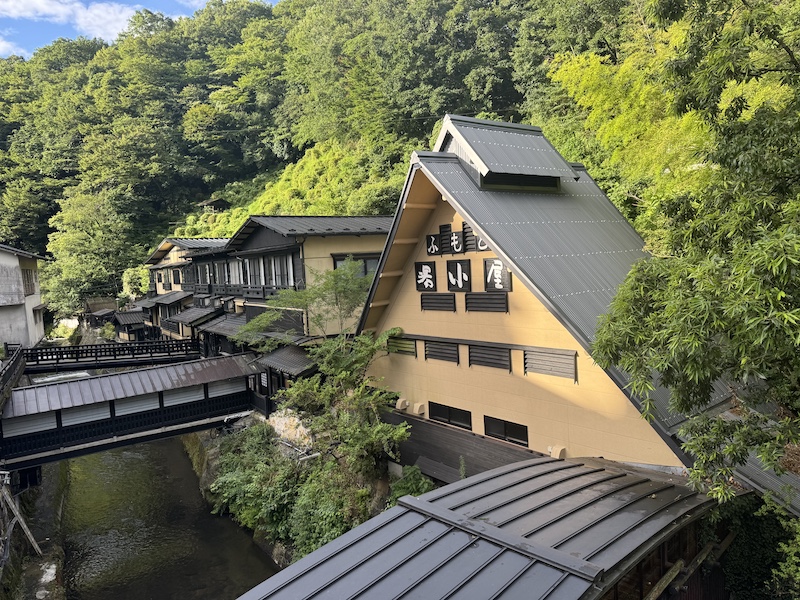
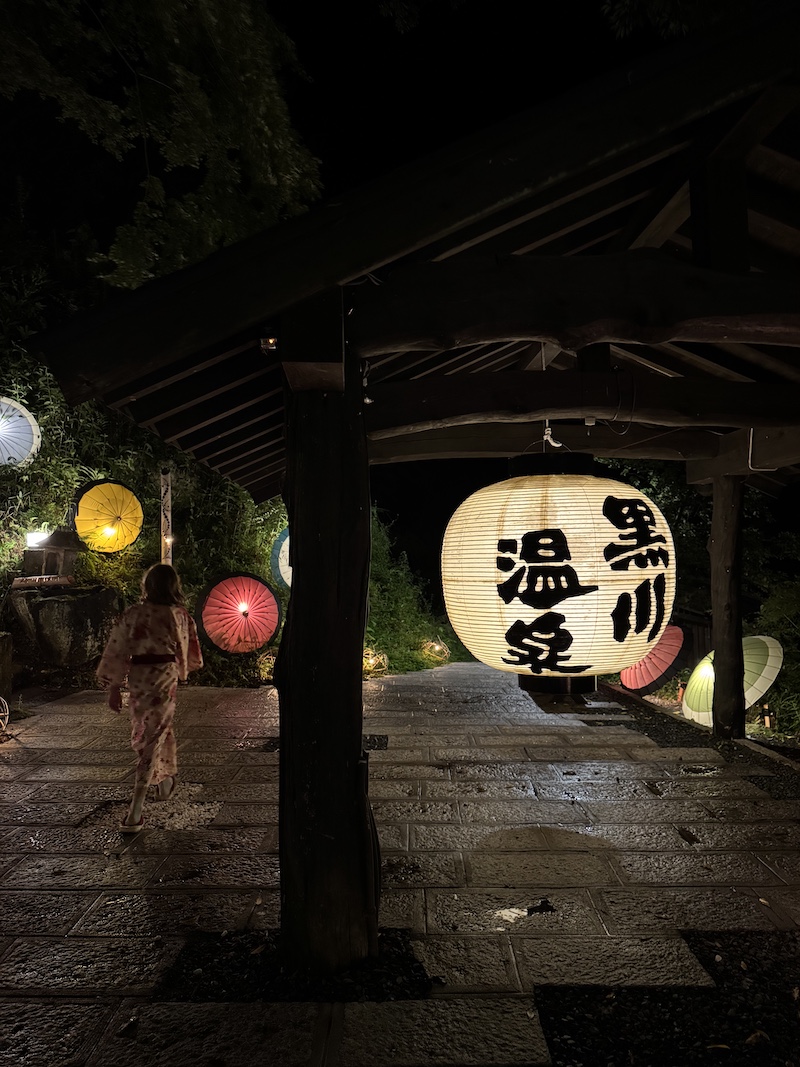
We spent one night at Kurokawa Onsen Shinmeikan near Kumamoto. It is one of several dozen beautiful onsens nestled along a river flowing through the hills from nearby Mount Aso. You would have no idea this gorgeous little onsen village existed until you arrived. It feels like a hidden jewel tucked away in the mountains.
There are many different onsens to choose from. When you arrive, you are given a robe (yukata) to wear, along with traditional tabi socks with the big toe separated so you can wear them with wooden sandles to get around the onsen. This becomes your uniform for your entire stay. If you are lucky enough, as we were, you may have a room overlooking the river. Sit by the window, enjoy the teas provided for guests, and listen to the sound of the rushing water below.
When you are ready, make your way down to the different onsens: steaming pools of mineral-rich water. Our ryokan had about a dozen different baths, and we spent the next 24 hours dipping in and out of as many as we could. You can also buy a pass that allows you to visit the onsens at other hotels throughout the village. It is the ultimate form of relaxation.
Dinner is a multi-course kaiseki meal, a celebration of the culinary specialties of the region, beautifully presented on an endless selection of carefully chosen dishes designed to showcase each course at its best. Breakfast follows the same philosophy.
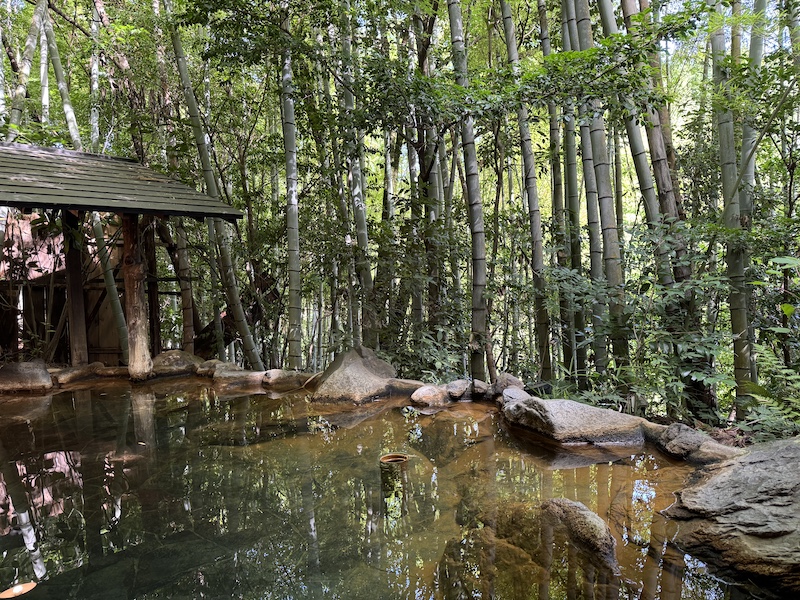
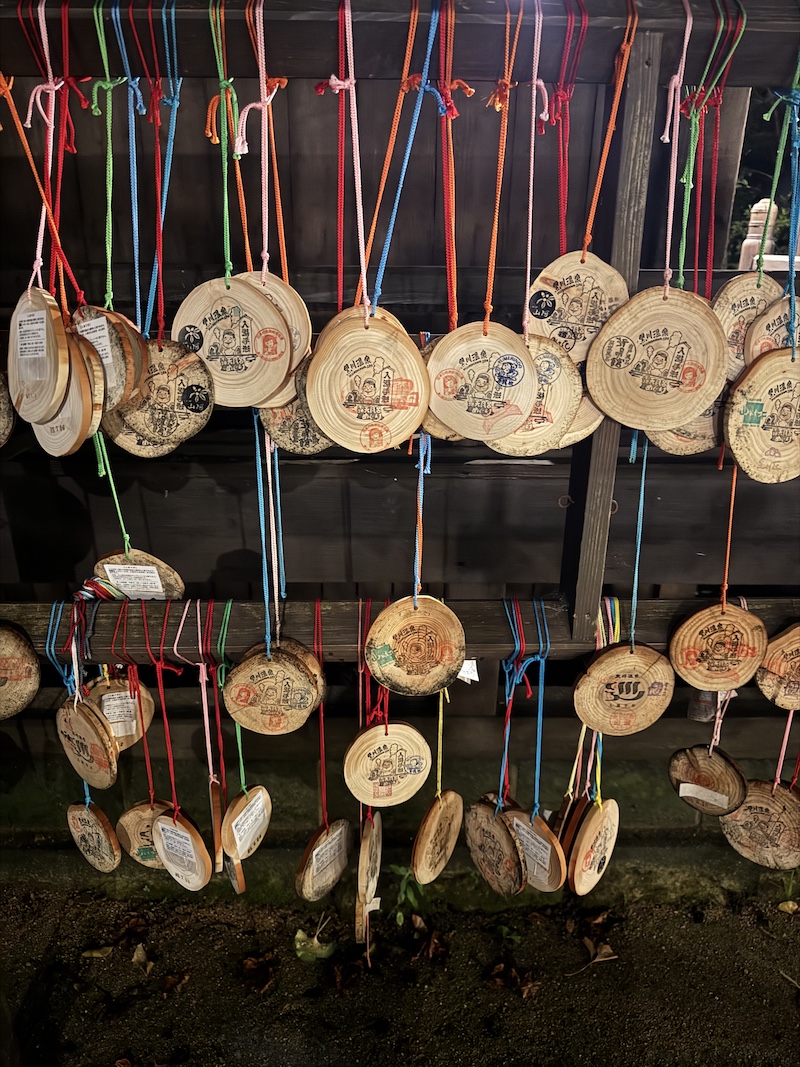
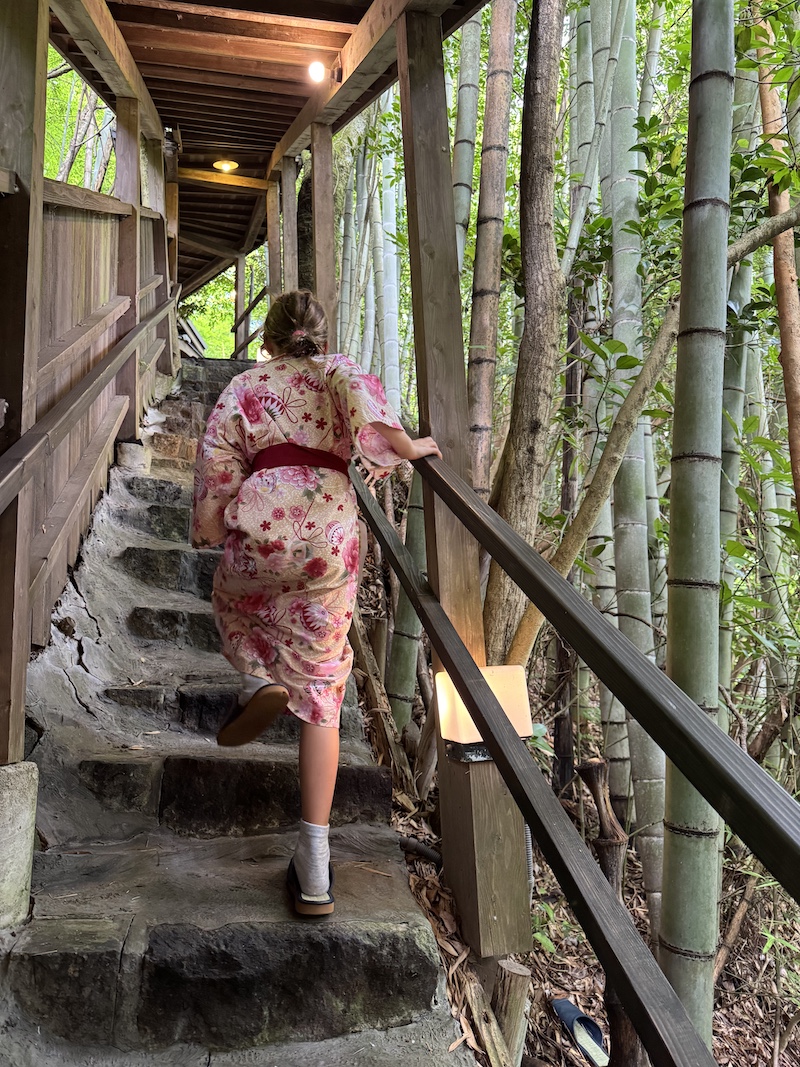
Even if you think this amount of relaxation and self-care might not be for you, it is remarkable how quickly you slip into it. I reached levels of relaxation I didn’t think were possible.
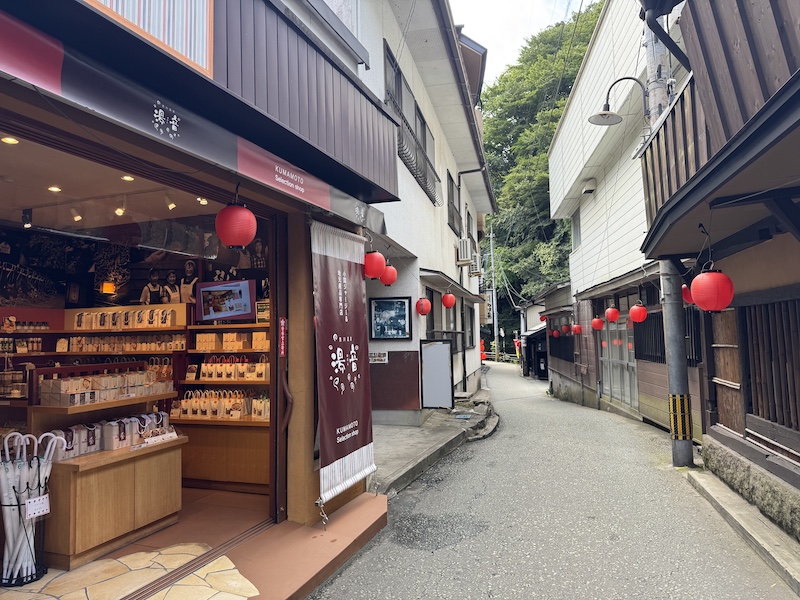
In the evening, you can stroll through the streets of town wearing the yukata. During the day, those same streets come alive with a surprising number of charming little shops selling everything from locally brewed sake to beautiful pottery and regional treats.
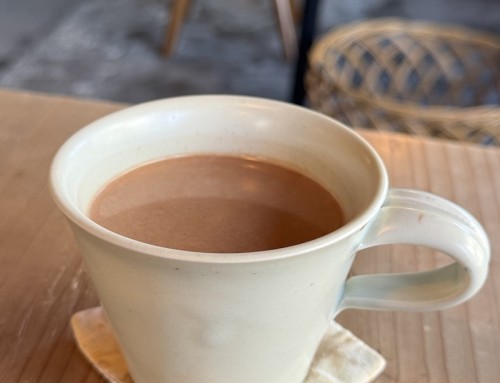
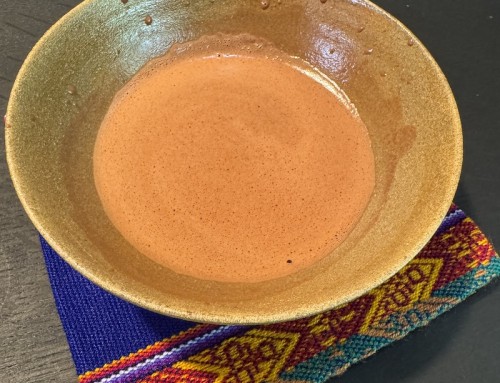
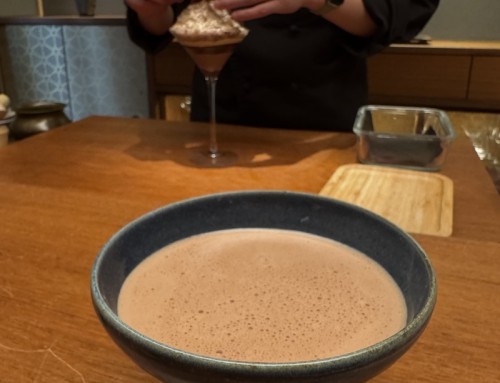
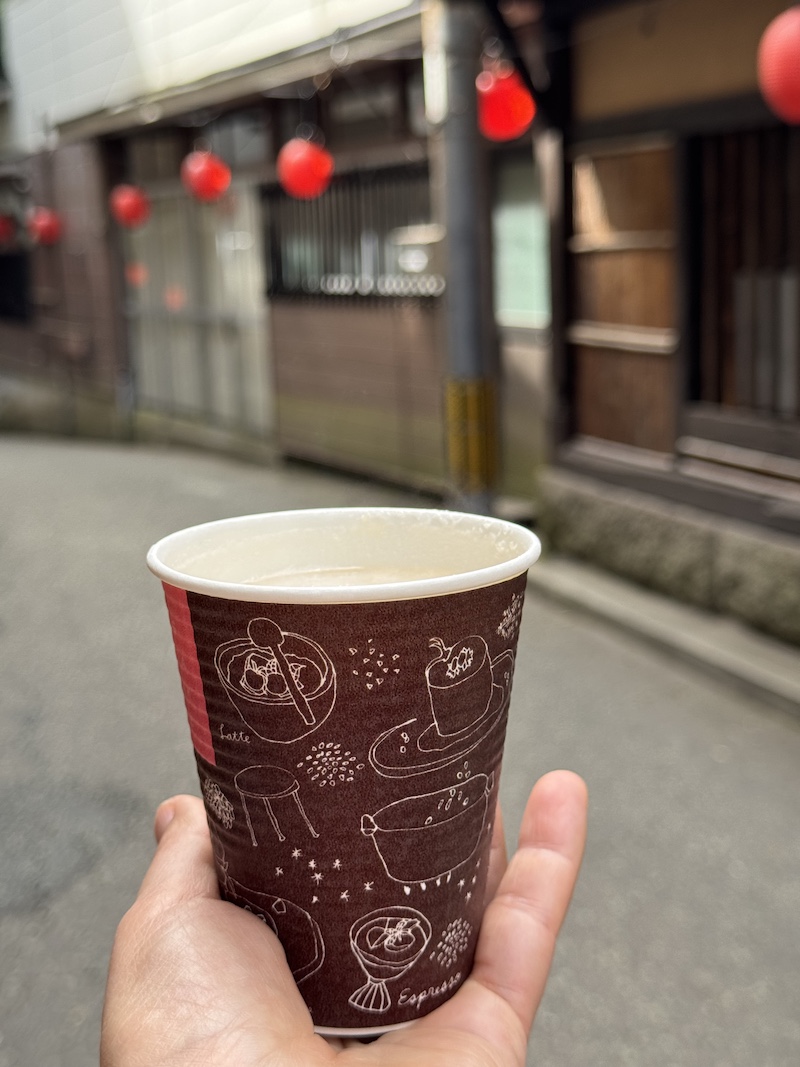
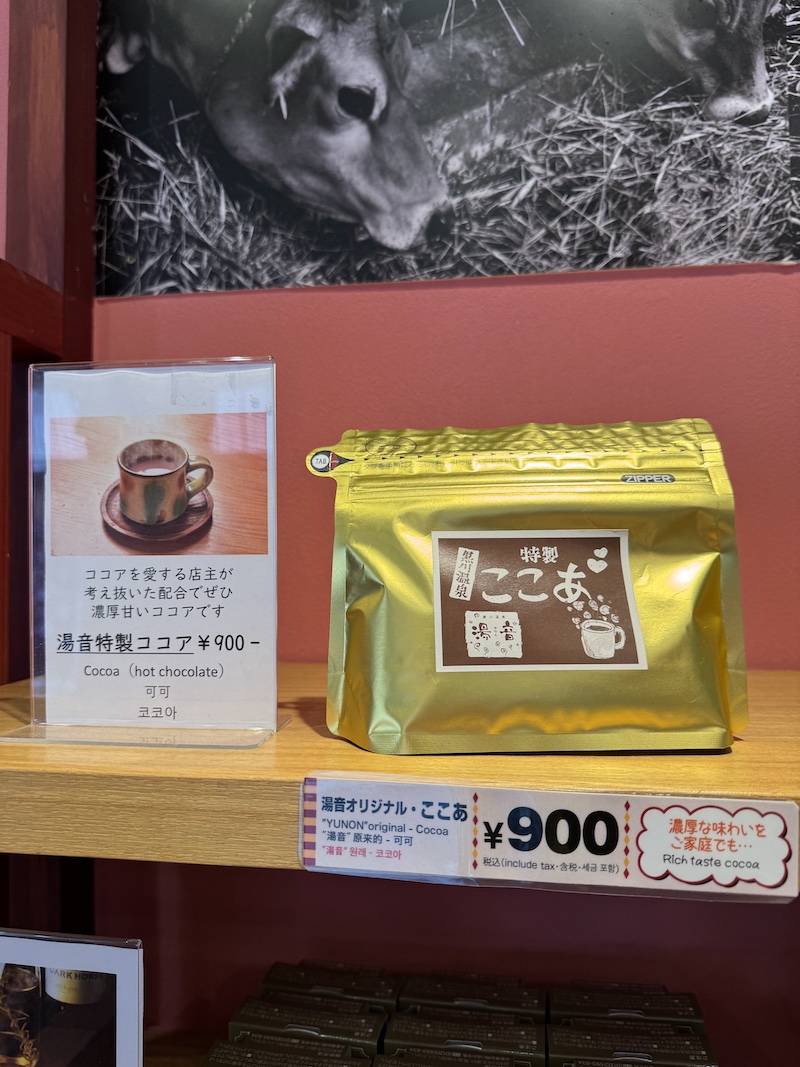
It isn’t really a café kind of town, since all of your food and drink needs are generally taken care of by your ryokan. Still, we passed a gift shop in town offering a hot chocolate. On the menu was Yune’s Special Cocoa, described as “a rich and sweet cocoa made with a carefully crafted recipe by a cocoa-loving shop owner.” That is all we are told. I was promised a “rich taste of cocoa,” but what I mostly got was overwhelmingly sweet.
Still, the real treasure in this shop was not the hot chocolate, but the local treats, especially anything made with Jersey milk, which the region is famous for, and the tea. I bought a bag of their Twenty Four Happy Tea to try at home and immediately regretted not buying a whole box.
Just listen to this ingredient list: barley, kibi millet, black bean tea, habu tea, dokudami, roasted tea, biwa leaves, persimmon leaves, mulberry leaves, hama tea, wolfberry fruit, kumazasa bamboo, ginkgo leaf, wolfberry leaf, obako, sugina, amachazuru, licorice, gymnema, aloe, and reishi.
This is a Google-translated ingredient list, so I’m not entirely sure every translation is correct, but it is essentially a blend of 24 wild herbs and grains—and it is delicious.
This kind of onsen experience in Japan may seem expensive if you are a visitor (at least we were concerned before arriving), but it was worth ever cent and more. Highly recommended.
Yunon Café, 6602 Manganji, Minamioguni, Japan